Simply Stated: Updates in X-Linked Myotubular Myopathy (XLMTM)
By Sujatha Gurunathan | Tuesday, February 24, 2026
5 Second Summary
Simply Stated is a Quest series designed to simplify your neuromuscular disease journey with easy-to-understand facts about tests, treatments, scientific terms, and the latest research.
X-linked myotubular myopathy (XLMTM) is a rare, inherited neuromuscular condition that primarily affects infant males. It is one of the most severe forms within a group of disorders called centronuclear myopathies, which are characterized by distinctive muscle cell changes seen by biopsy and profound muscle weakness that begins early in life. It is estimated that XLMTM affects about 1 in 50,000 newborn males.
Cause of XLMTM
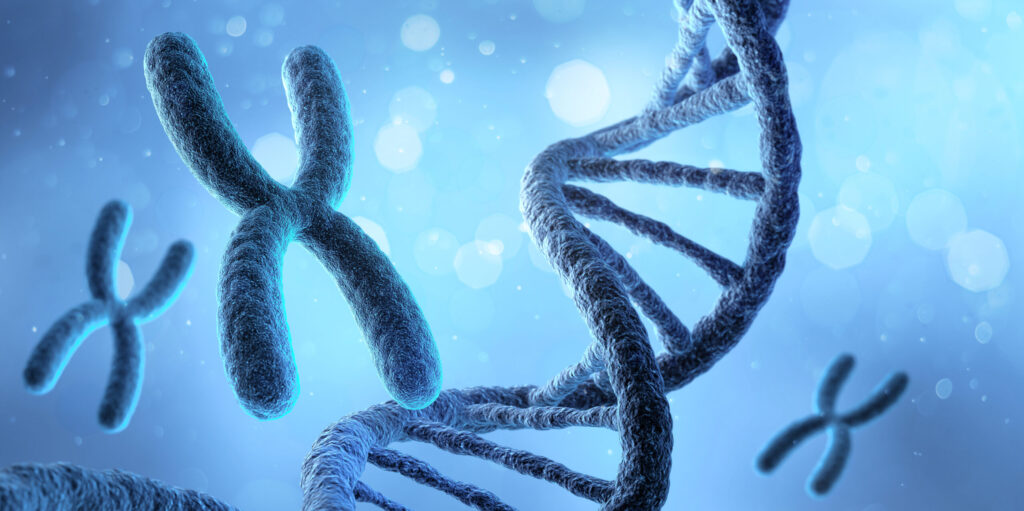
XLMTM is caused by genetic mutations in the MTM1 gene on the X chromosome. This gene encodes the enzyme myotubularin, which is essential for normal development, maintenance, and regulation of skeletal muscle cells. Without myotubularin, the muscle cells experience structural and functional problems that lead to the symptoms of XLMTM.
Since males only have one copy of the X chromosome, defects in the X-linked MTM1 gene lead to a condition that almost exclusively affects males. While many females may carry the defective MTM1 gene without symptoms, some female carriers develop muscle weakness later in life.
Symptoms of XLMTM
About 80% of males with XLMTM have a classic, severe form of the disease that begins at birth or in the first year of life. These infants commonly experience:
· Very low muscle tone, sometimes described as “floppiness” (hypotonia)
· Severe skeletal muscle weakness
· Facial weakness, including drooping eyelids (ptosis) and limited eye movement
· Weakness of the bulbar muscles, which can cause difficulty with feeding and swallowing
· Respiratory muscle involvement, often leading to respiratory failure
Signs of severe XLMTM can often be detected before birth. Common prenatal findings include:
· Decreased fetal movement, reported in about 50–60% of pregnancies
· Excess amniotic fluid (polyhydramnios), likely related to impaired fetal swallowing
At birth, many infants with XLMTM are unable to breathe independently and require immediate respiratory support. It is estimated that about 25% of infants with severe XLMTM do not survive beyond their first year.
The other ~20% of males with XLMTM have a moderate or mild form, allowing them to reach motor milestones faster than those with the severe form. Many are able to walk independently and live into adulthood, though most will need feeding tubes or ventilatory support. In all forms of XLMTM, the muscle weakness is generally stable rather than progressive.
Female carriers of the defective MTM1 gene are usually asymptomatic. However, some carriers develop symptoms that can range from severe muscle weakness in childhood to milder, adult-onset issues. The most common symptoms affecting female carriers involve the limb-girdle muscles (hips and shoulders) and facial muscles. In some affected women, respiratory function may decline over time, leading to the need for ventilatory support.
For more information about the symptoms of XLMTM, as well an overview of diagnostic and management concerns, an in-depth overview can be found here.
Diagnosis and current management of XLMTM
XLMTM may be suspected based on clinical features such as severe muscle weakness, low muscle tone, breathing difficulties at birth, and characteristic facial findings. The diagnosis is confirmed by using genetic testing to identify disease-causing mutations in the MTM1 gene.
There is currently no disease-modifying therapy for XLMTM, so care focuses on supportive management by a multidisciplinary team. Early evaluations usually assess breathing, feeding and swallowing, vision, and orthopedic health. Genetic counseling may also be recommended for families.
Many children with XLMTM, particularly those with moderate to severe disease, require long-term respiratory support, which may include invasive mechanical ventilation, as well as feeding support through a gastrostomy tube (G-tube). Individuals with milder disease may also require support for respiratory complications, particularly during illness, as well as feeding assistance. Education, communication tools, and rehabilitation therapies are often important parts of care.
Ongoing monitoring for people with XLMTM usually includes annual pulmonary assessments, periodic sleep studies, screening for scoliosis, regular eye exams, and dental follow-up. Rare complications such as liver bleeding have also been reported and may require additional monitoring.
With coordinated care and careful supervision, many individuals with XLMTM can achieve improved stability and quality of life.
Evolving research and treatment landscape
Research into treatments for XLMTM is ongoing, with several promising strategies under investigation.
One of the most advanced approaches has been gene therapy, which aims to deliver a healthy copy of the MTM1 gene. Early animal studies of MTM1 gene therapy showed dramatic improvements in strength and survival, leading to the ASPIRO clinical trial of the investigational gene therapy AT132 (Astellas Gene Therapies). Results from this trial showed meaningful improvements in strength and ventilator independence for some boys treated with the therapy. However, the trial was placed on hold due to serious liver-related safety concerns. Development of AT132 has been paused while safety and regulatory reviews continue. Newer gene therapy efforts are continuing with an emphasis on safety and long-term benefits.
One new gene therapy candidate in clinical trials for XLMTM is:
ASP2957 (Astellas Gene Therapies) – This gene therapy is being investigated in the phase 1/2 VALOR trial in boys with ventilator-dependent XLMTM. This program is Astellas’ second attempt at XLMTM gene therapy after the halted AT132/ASPIRO trial. Like AT132, this therapy aims to delivers a healthy copy of the MTM1 gene using a viral vector (AAV), but it uses a next-generation viral delivery system intended to improve targeting to the muscle and reduce targeting to the liver. This is to address the underlying liver vulnerability in XLMTM that resulted in the clinical hold on their first program. The trial is currently recruiting participants.
Beyond MTM1 gene replacement, research efforts continue to explore new ways to modify disease pathways, including targeting proteins that influence muscle function. While these approaches have shown encouraging results in laboratory studies and preclinical models, they are not yet approved as treatments. However, ongoing research offers hope for future treatment options.
To support these efforts, patient registries and observational studies have been established to collect and analyze data from individuals with XLMTM. These initiatives are crucial for improving understanding of the condition and guiding the development of future treatments. Current efforts include:
A Study to Check Liver Health in Boys With XLMTM, a Serious Genetic Muscle Condition (EXCEL) (Astellas Gene Therapies) – This study follows boys younger than 18 years old with XLMTM for approximately 1 year to monitor liver health over time. The study is currently recruiting participants.
Myotubular and Centronuclear Myopathy (MTM & CNM) Patient Registry (Newcastle-upon-Tyne Hospitals NHS Trust) – This registry in the UK is collecting clinical and genetic data from patients to support research and connect participants with relevant clinical trials. The registry is currently recruiting participants.
To learn more about clinical research opportunities in XLMTM, visit clinicaltrials.gov and search for the disease name in the condition or disease field.
MDA’s work to further cutting-edge XLMTM research
Since its inception, MDA has invested more than $6.8 million in XLMTM research. Through strategic investments from MDA, partner advocacy groups, and the National Institutes of Health (NIH), XLMTM research is advancing, offering hope for breakthroughs and a better future for those living with this serious condition.
MDA’s Resource Center provides support, guidance, and resources for patients and families, including information about XLMTM, open clinical trials, and other services. Contact the MDA Resource Center at 1-833-ASK-MDA1 or ResourceCenter@mdausa.org.
Next Steps and Useful Resources
- For more information about the signs and symptoms of X-linked myotubular myopathy (XLMTM) , as well an explanation of the causes of disease, an in-depth overview can be found here.
- For more information about the symptoms of XLMTM, as well an overview of diagnostic and management concerns, an in-depth overview can be found here.
-
To learn more about clinical research opportunities in XLMTM, visit clinicaltrials.gov and search for the disease name in the condition or disease field.
- MDA’s Resource Center provides support, guidance, and resources for patients and families, open clinical trials, and other services. Contact the MDA Resource Center at 1-833-ASK-MDA1 or ResourceCenter@mdausa.org
- Stay up-to-date on Quest content! Subscribe to Quest Magazine and Newsletter.


Disclaimer: No content on this site should ever be used as a substitute for direct medical advice from your doctor or other qualified clinician.