Key Takeaways From the 2026 Disability:IN Global Conference
By Rebecca Hume | Wednesday, November 18, 2026
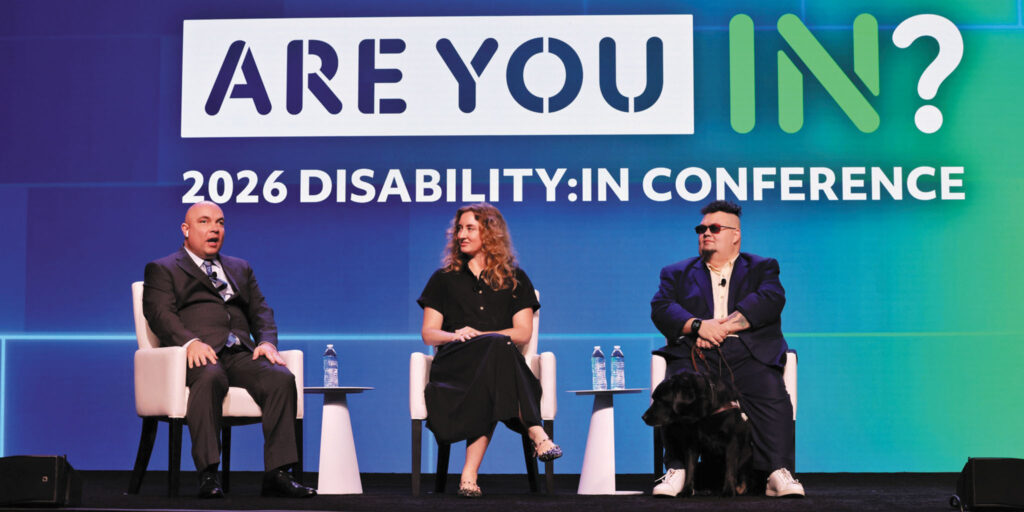
Disability:IN is the leading global nonprofit organization helping businesses improve accessibility, inclusion, and equality. Partnered with hundreds of corporations across the globe, Disability:IN strives to empower companies to expand career and consumer opportunities for people with disabilities. That mission is at the forefront of their annual conference, which brings together corporate leaders, entrepreneurs, and investors to explore the issues facing businesses today and build solutions that work better for more people.
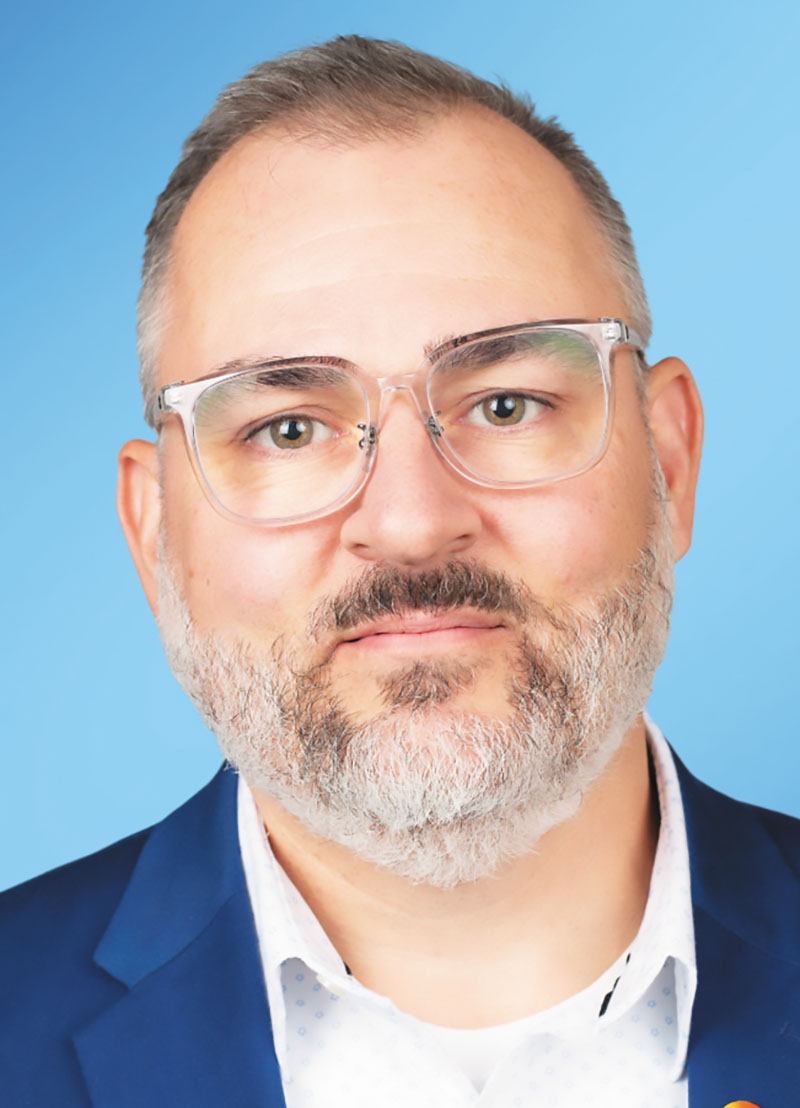
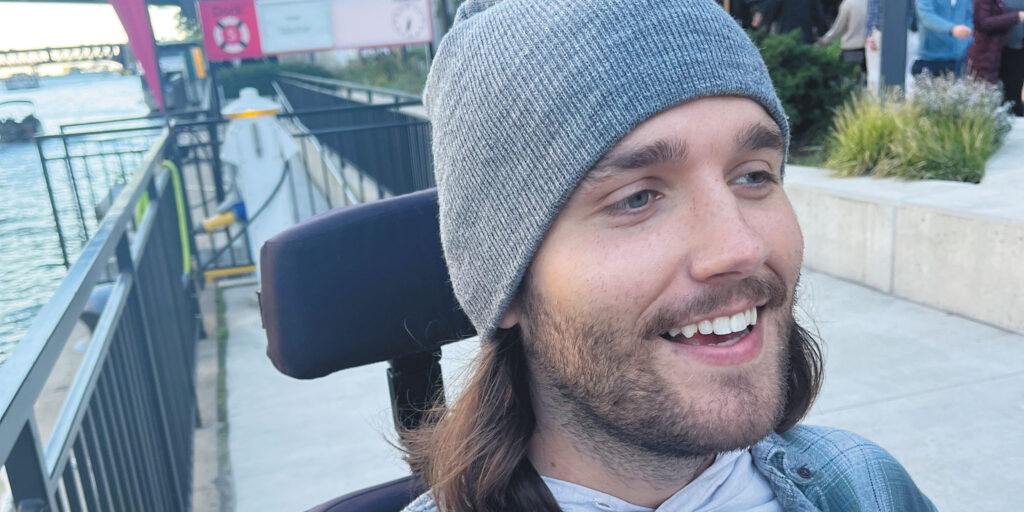
Kurt Iobst
Quest Media team members attended the 2026 Disability:IN conference in July to speak with executives and next-generation leaders and to get a deeper look at the organization’s work.
Committing to disability inclusion
More than 990 companies attended this year’s conference, including Nike, Microsoft, Google, and Salesforce.
“What makes the conference valuable is that it brings together HR leaders, business leaders, disability advocates, and people with lived experience in the same room. The conversations that happen there don’t happen anywhere else at the same depth or scale,” says Kurt Iobst, the Customer Accessibility Advisory Lead at Salesforce, which was named Inclusive Business of the Year by Disability:IN. “The partnerships we’ve built have shaped how we hire, develop, and retain employees with disabilities. That ecosystem of connection is something truly special, a collective strength we create for each other.”
The increased awareness and hiring commitment of companies worldwide are indications of meaningful progress. But as Kurt, who is autistic, says: “Hiring is the door; inclusion is the whole house.” As more companies commit to truly supporting and accommodating employees with disabilities, people with disabilities are seeing more signals that they belong and that their talents are valuable.
Setting a benchmark
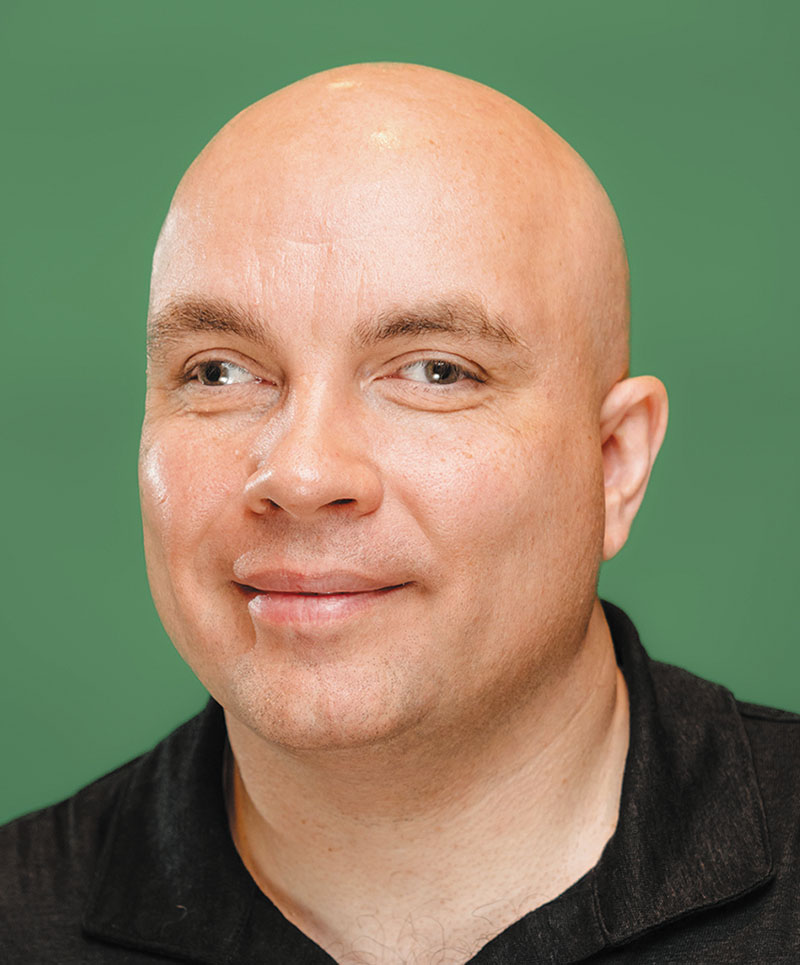
Russell Shaffer
At the conference, Disability:IN spotlighted their recently modernized Disability Index®. This benchmarking tool uses self-assessments by major corporations to evaluate disability inclusion in the workplace. The index evaluates an enterprise’s business practices across categories including culture, leadership, benefits, recruitment, accommodations, accessibility, talent development, and communications.
According to Russell Shaffer, the Chief Programs Officer at Disability:IN, who lives with retinitis pigmentosa, the Index provides an objective, confidential method for companies to assess their policies and programs. “It allows companies to get a clear picture of where they are in disability inclusion and identify a roadmap for where they want to go,” he says.
The next growth market
Disability:IN’s recent research on the buying power of consumers living with disabilities provides insight into the revenue that companies may be missing by overlooking accessibility in their products and services. The Next Growth Market study, published in June 2026, revealed that the US disability community represents $675 billion dollars in disposable income and $107 billion in buying power.
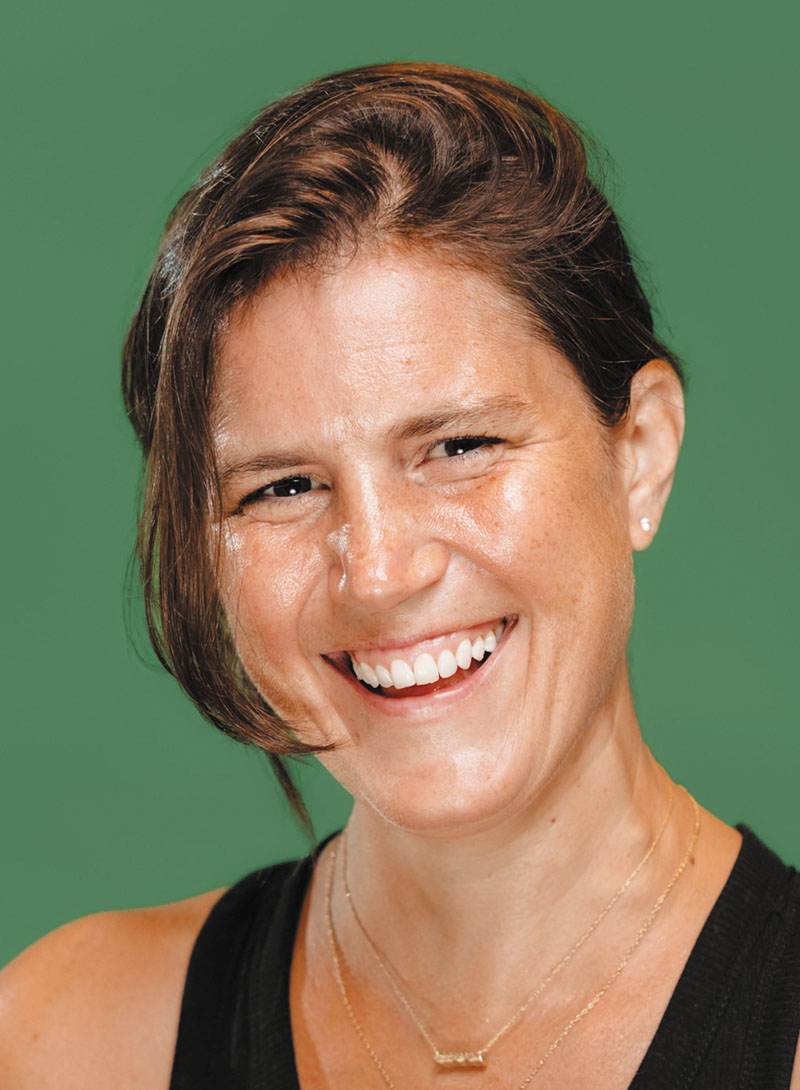
Reid Jewett Smith, PhD
Reid Jewett Smith, PhD, the Vice President of Research and Policy at Disability:IN, who lives with cystic fibrosis, shares the importance of consumer data research as more people with disabilities join the workforce: “5.4% of all employees entering the workforce in America last year were people living with disabilities,” she says, citing data from a recent Disability:IN career mobility study. “That all-time high has translated into more dollars in the pocket to impact the consumer market.”
The message to brands is that accessibility is not a niche topic. “The disability consumer is going to reward companies with their choice of where they shop based upon companies that understand them, represent them in their marketing, and build access not only into employment infrastructure but also into consumer offerings,” Russell says.
A seat at the table
Disability:IN is also creating spaces for business leaders who are living with disabilities through the Disability-Owned Business Enterprise (DOBE) and NextGen Leaders programs.
For Artura Talor, President and CEO of the laboratory equipment, supplies, and chemical provider TDG Scientific, who lives with ADHD, dysgraphia, and otosclerosis, becoming a certified Disability-Owned Business has helped her gain the confidence to grow her company into a multimillion-dollar enterprise.
The DOBE program gave Artura the opportunity to build relationships within the powerful network and participate in mentorships that helped her grow personally and professionally.
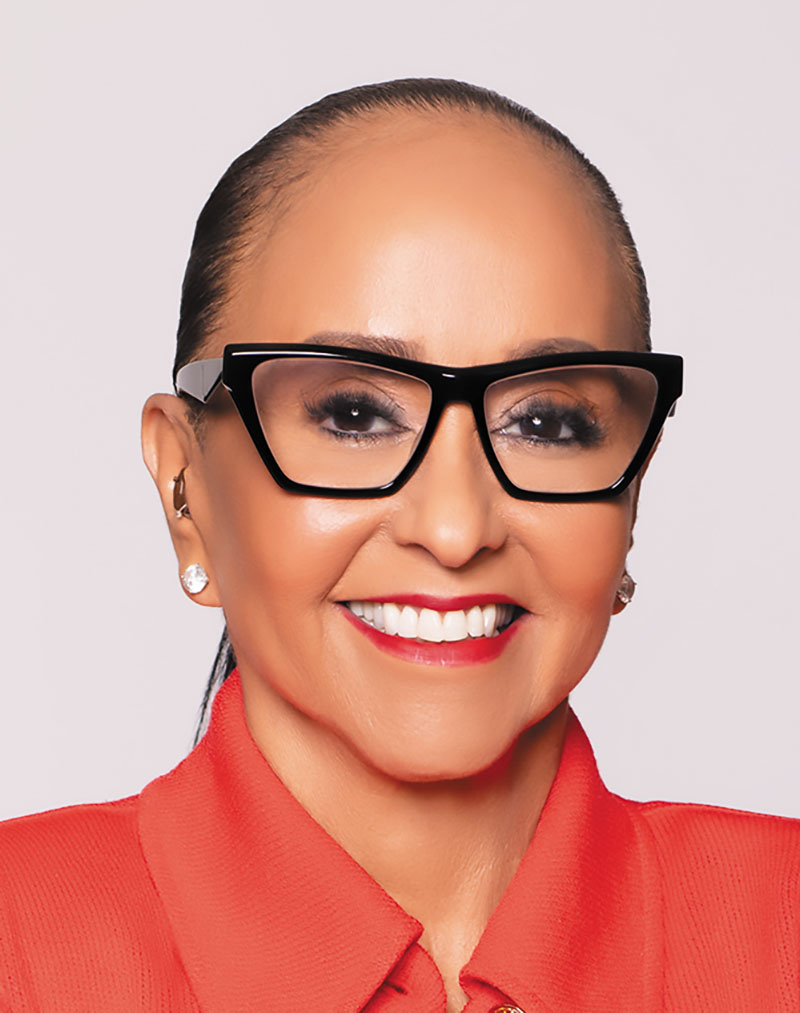
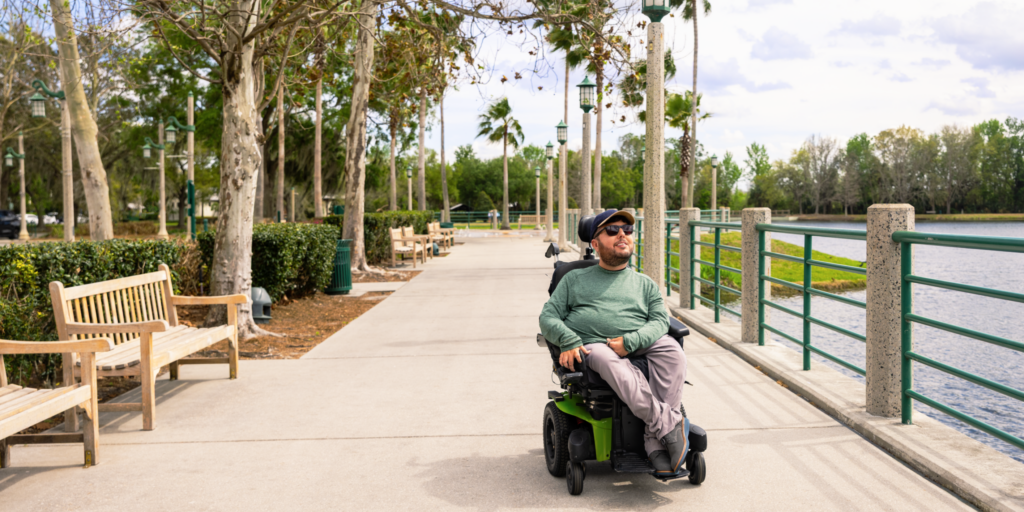
Artura Taylor
“Through mentorships with many of the world’s leading pharmaceutical companies, we learned how to compete at the highest level, build trusted relationships, and diversify our business. Today we proudly serve many of the world’s leading organizations,” she says.
She wants people living with disabilities to know that their resilience, creativity, adaptability, and determination are qualities that make exceptional leaders and entrepreneurs. “The talent and innovation in this community are already there,” Artura says. “The opportunity now is for the rest of the world to recognize it.”
Disability:IN’s NextGen Leaders program aims to help people with disabilities entering the workforce to gain that recognition. For Elizabeth Conger, who developed a disability after a health crisis in 2024 and is re-entering the workforce as an environmental and chemical engineer, participating in the initiative has provided more than just tangible support and skills.
As a NextGen Leader, Elizabeth had access to résumé-building webinars, interview and disability disclosure training, and a one-on-one mentor, as well as networking at the Disability:IN conference.
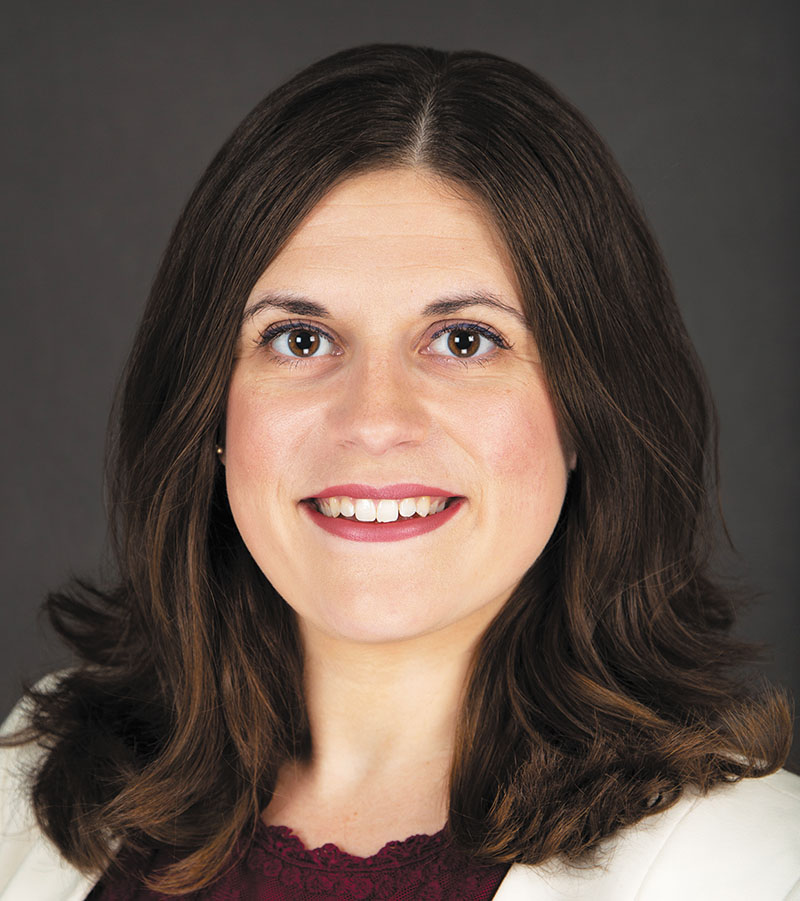
Elizabeth Conger
“I feel like I have been given permission to stand up for myself, knowing that I bring value and that accommodations can be easily provided to make it possible for me to go back to work,” Elizabeth says.
Building an accessible economy
The Disability:IN conference brought excitement and unity around a common goal: to create a global economy accelerated by disability inclusion and universal accessibility. “Disability:IN’s original reason for being was to dispel the myth and misconception that people with disabilities can’t work, don’t want to work, and are unable to work,” Russell says. “We exist because there was a disconnect at a certain junction in time where conversations around disability employment were happening without employers at the table.”
The Disability:IN conference endeavors to change that dynamic — and create space for everyone at the same table.
Rebecca Hume is a Senior Specialist and Writer for Quest Media.
Next Steps and Useful Resources
- Visit Career Quest, MDA’s employment resource hub, to find the information you need to navigate job seeking and professional environments.
- Stay up to date on Quest content! Subscribe to Quest Magazine and Newsletter.


Disclaimer: No content on this site should ever be used as a substitute for direct medical advice from your doctor or other qualified clinician.