Simply Stated: Introduction to Morimoto-Ryu-Malicdan Neuromuscular Syndrome (RFC4 deficiency)
By Sujatha Gurunathan | Friday, May 29, 2026
5 Second Summary
Simply Stated is a Quest series designed to simplify your neuromuscular disease journey with easy-to-understand facts about tests, treatments, scientific terms, and the latest research.
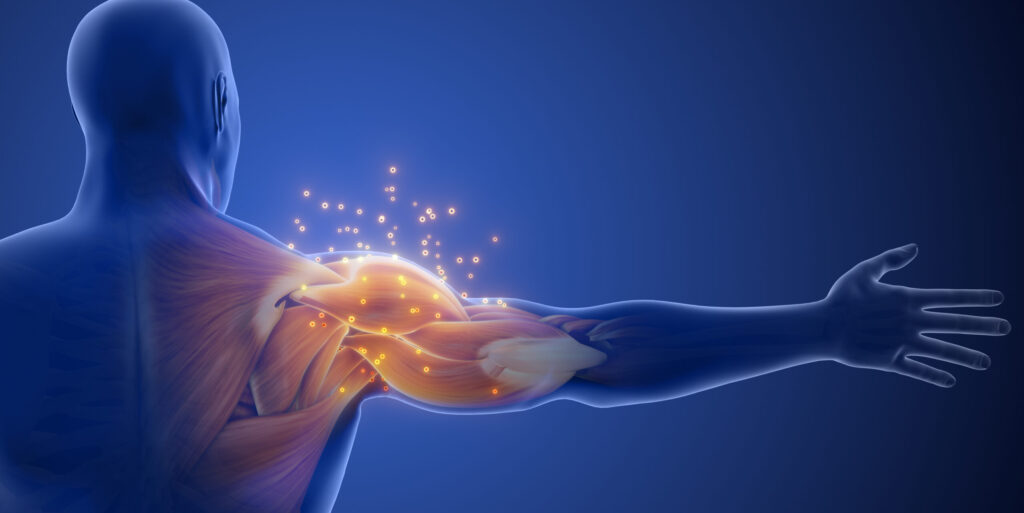
Morimoto–Ryu–Malicdan neuromuscular syndrome (MRMNS) is an inherited condition that was first reported on in late 2024. It is caused by variants in the RFC4 gene and is classified as a congenital myopathy, primarily affecting skeletal muscles and in some cases the nervous system. Much about the symptoms and progression of this newly discovered condition remains to be defined. The exact prevalence is unknown, but it is currently considered an ultra-rare disorder.
Cause of MRMNS
This disorder is genetic and inherited in an autosomal recessive pattern, which means that both copies of the RFC4 gene (one from each parent) must be affected in order to develop the disorder.
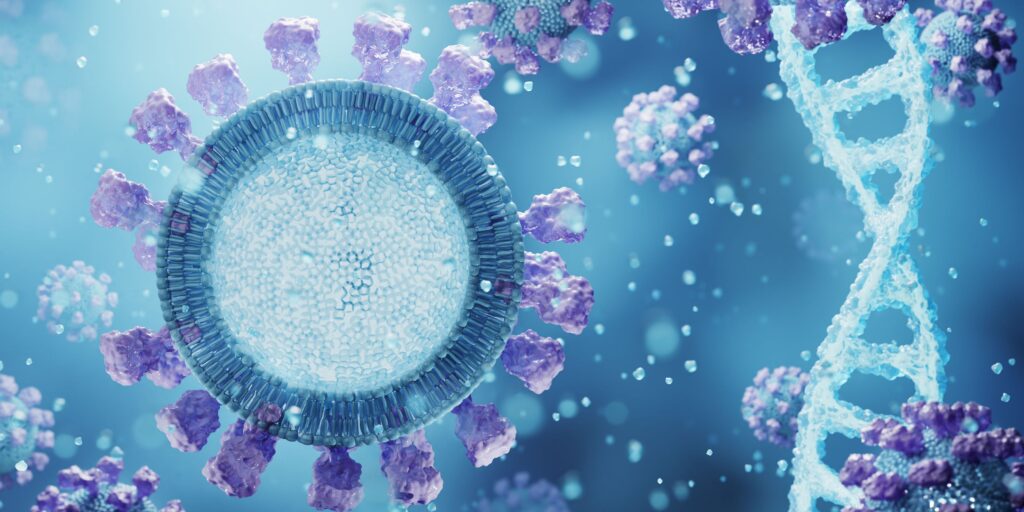
The RFC4 gene provides instructions for making a part of the replication factor C (RFC) complex, which plays an important role in DNA replication and repair. This complex helps recruit and position the enzymes needed to accurately copy DNA during cell division.
Defects in the RFC4 gene disrupt the formation and function of the RFC complex, leading to problems with DNA replication and genome stability, cell growth and maintenance, and energy-demanding tissues such as muscle and nervous tissue. These dysfunctions are thought to underlie the neuromuscular symptoms seen in people with MRMNS.
Symptoms of MRMNS
Only a small number of people with MRMNS have been described to date. In most cases, symptoms begin in infancy or early childhood, though later onset can occur. The condition is variable, but several recurring features have been observed:
Muscle involvement (most prominent)
· Early-onset muscle weakness
· Hypotonia (low muscle tone), often present from infancy
· Delayed motor development
· Progressive weakness in some individuals, sometimes leading to loss of ambulation
Nervous system involvement (variable)
· Developmental delay in some individuals
· Movement and coordination difficulties (including ataxia)
· Peripheral neuropathy (nerve damage) in some cases
· Variable cognitive outcomes (ranging from normal to mild impairment)
Respiratory and feeding involvement
· Breathing difficulties due to muscle weakness
· Feeding difficulties, particularly in early life
Other potential features
· Hearing loss (often sensorineural caused by nerve damage between the brain and the ears)
· Poor growth and low body weight
· Short stature in some individuals
· Microcephaly (small head size) in a subset of cases
MRMNS affects multiple organ systems, especially rapidly growing, energy-demanding tissues such as muscle and the nervous system, reflecting the importance of DNA replication in these developing tissues.
To learn more about what is currently known about MRMNS, the following publications may be helpful:
Diagnosis of MRMNS
Diagnosis of MRMNS can be challenging, as symptoms may overlap with other neuromuscular disorders. Evaluation is likely to involve a combination of clinical, laboratory, and genetic assessments. Genetic testing to identify disease-causing (pathogenic) variants in both RFC4 gene copies can help confirm the diagnosis, although these pathogenic variants are still being defined.
Current management of MRMNS
There are no disease-specific therapies currently approved for MRMNS. Current management is supportive and similar to that of other neuromuscular conditions, focusing on:
· Monitoring for progression of neuromuscular symptoms
· Physical and occupational therapy to maintain strength and mobility
· Developmental and educational support
· Respiratory monitoring if weakness progresses
· Nutritional support as needed
· Symptom-based care tailored to individual needs
Evolving research and treatment landscape
Understanding of the natural history and treatment of MRMNS is very limited given its recent identification. Ongoing research is focused on:
· Improving early identification of affected individuals
· Defining the clinical spectrum and progression of the disorder in affected individuals
· Identifying pathogenic variants in RFC4 and clarifying their disease associations
· Understanding disease mechanisms (e.g., how disruption of the RFC complex leads to neuromuscular dysfunction)
· Identifying potential treatment targets to guide development of future therapies
As knowledge of the condition advances, earlier diagnosis and new therapeutic strategies may become possible.
MDA’s work to further cutting-edge MRMNS research
As part of MDA’s broader mission to support people living with neuromuscular diseases, MRMNS was recently added to the MDA disease portfolio, reflecting its impact and MDA’s commitment to supporting individuals and families affected by this condition. Through recognition and investments in research, efforts to better understand MRMNS are advancing, offering hope for better management and future treatments.
MDA’s Resource Center provides support, guidance, and resources for patients and families, including information about Morimoto-Ryu-Malicdan Neuromuscular Syndrome, open clinical trials, and other services. Contact the MDA Resource Center at 1-833-ASK-MDA1 or ResourceCenter@mdausa.org.
Next Steps and Useful Resources
- Morimoto–Ryu–Malicdan neuromuscular syndrome (MRMNS) is an inherited condition that was first reported on in late 2024.
- For more information about the symptoms of Congenital myopathies, as well as discussion of diagnostic and management concerns, an overview can be found here.
- To learn more about what is currently known about MRMNS, the following publications may be helpful:
- MDA’s Resource Center provides support, guidance, and resources for patients and families, including information about CIDP, open clinical trials, and other services. Contact the MDA Resource Center at 1-833-ASK-MDA1 or ResourceCenter@mdausa.org.


Disclaimer: No content on this site should ever be used as a substitute for direct medical advice from your doctor or other qualified clinician.