Simply Stated: Updates in Myofibrillar Myopathies (MFMs)
By Sujatha Gurunathan | Monday, June 29, 2026
5 Second Summary
Simply Stated is a Quest series designed to simplify your neuromuscular disease journey with easy-to-understand facts about tests, treatments, scientific terms, and the latest research.
Myofibrillar myopathies (MFM) are a group of inherited muscle disorders characterized by progressive muscle weakness and the abnormal accumulation of proteins within muscle cells. These disorders have been linked to variants in numerous genes and can present with a wide range of symptoms and severity. MFMs are considered rare diseases, and their exact prevalence remains unknown.
Cause of MFMs
MFMs are caused by changes in genes that encode proteins responsible for maintaining the structure and stability of muscle fibers.
Gene variants
The following genes are known to cause MFMs and are classified as causing subtypes MFM1–MFM13:
· MFM1 – DES (desmin) / desmin-related myopathy
· MFM2 – CRYAB (alpha-B crystallin)
· MFM3 – MYOT (myotilin)
· MFM4 – LDB3 (ZASP)
· MFM5 – FLNC (filamin C)
· MFM6 – BAG3 (BAG3-related myopathy)
· MFM7 – KY (kyphoscoliosis peptidase-related myopathy)
· MFM8 – PYROXD1
· MFM9 – TTN (titin)
· MFM10 – SVIL (supervillin)
· MFM11 – UNC45B
· MFM12 – MYL2
· MFM13 – HSPB8 (HSPB8-related myopathy)
Additional genes have been reported in people with similar muscle findings or overlapping clinical and biopsy features, but are not always included in the formal MFM classification system. These include:
- DNAJB6
- FHL1
- PLEC (plectin)
- LMNA
- ACTA1
It’s worth noting that some muscle conditions that look similar by muscle biopsy have been described using older names rather than specific genetic causes. These include SEPN1-related myopathy with Mallory body-like changes and spheroid body myopathy. These terms are still sometimes used, but most MFMs are now defined by their underlying genetic variants.
How gene variants cause MFM
Many of the aforementioned genes produce proteins that are concentrated at the Z-disc, a structural component of muscle fibers that helps maintain muscle integrity during contraction. When these proteins are altered in MFM, muscle fibers become damaged and proteins accumulate abnormally within muscle cells. Over time, this leads to disruption of the myofibrils (the structures within muscle cells that enable muscle contraction), muscle weakness, and degeneration of muscle tissue.
How MFMs are inherited
The majority of MFMs are inherited in an autosomal dominant pattern, which means that only one copy of the causative gene is needed to develop the disorder. Inheritance patterns vary by subtype, however, and some MFMs are inherited in an autosomal recessive (requiring two gene variants) or X-linked (gene variant on X chromosome) manner. Additionally, in some people, MFM may result from a new (de novo) genetic change that occurs spontaneously.
Symptoms of MFMs
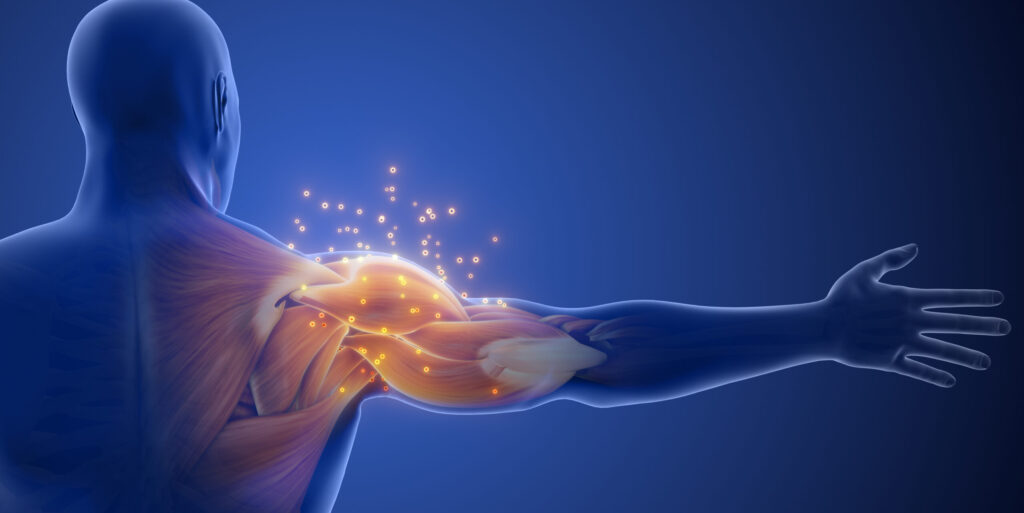
MFMs can occur at any age, from childhood to adulthood, and symptoms and disease progression vary widely among affected individuals. The most common feature across all MFMs is progressive muscle weakness, which may affect the arms, legs, or both. In some subtypes, weakness begins in the muscles closest to the body’s center (proximal muscles), while in others it starts in the hands, feet, or lower legs (distal muscles).
Muscle involvement
Common muscle-related symptoms in people with MFM may include:
· Progressive muscle weakness
· Difficulty walking, climbing stairs, or rising from a seated position
· Weakness affecting the legs, arms, or both
· Distal weakness (affecting the hands and feet) in some forms
· Proximal weakness (affecting the shoulders and hips) in some forms
· Muscle loss (atrophy)
· Frequent falls
· Reduced exercise tolerance
Cardiac involvement
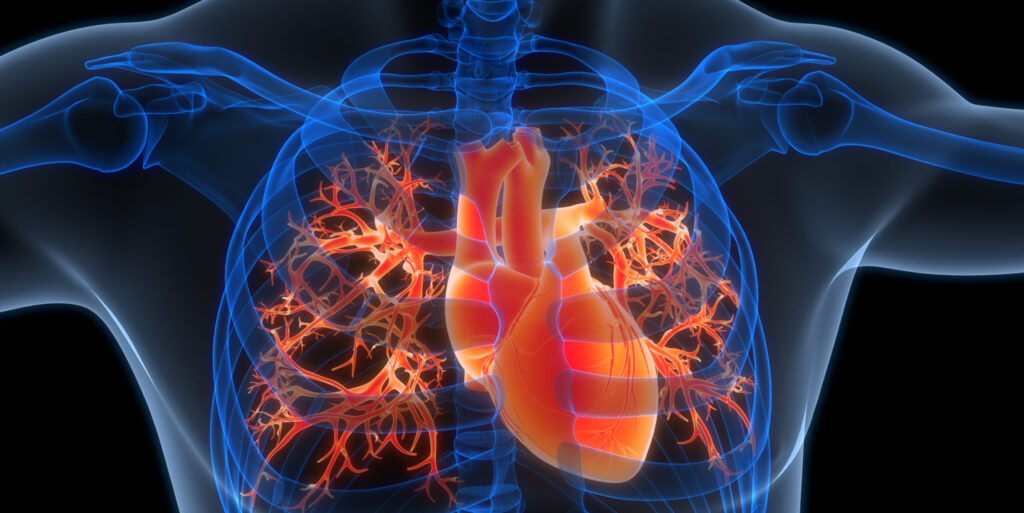
Some forms of MFM can affect the heart, leading to:
· Cardiomyopathy (heart muscle disease)
· Arrhythmias (heart rhythm abnormalities)
· Conduction defects that interfere with normal electrical signaling
· Heart failure in severe cases
Cardiac involvement is particularly common in certain genetic subtypes of MFM, including those associated with DES, FLNC, BAG3 CRYAB, LDB3/ZASP, TTN, and sometimes LMNA and FHL1 variants.
Respiratory involvement
Weakness of the respiratory muscles may occur in some people with MFM and can result in:
· Shortness of breath
· Sleep-disordered breathing (SDB)
· Nocturnal hypoventilation
· Recurrent respiratory infections
· Respiratory failure in advanced disease
Respiratory muscle weakness can be an important feature in some MFM subtypes, especially BAG3-related myopathy. In these cases, it may appear early and contribute to more severe disease, often along with cardiac involvement.
Other potential features
Depending on the subtype, additional symptoms may include:
· Peripheral neuropathy (nerve damage)
· Joint contractures
· Scoliosis
· Swallowing difficulties (dysphagia)
· Voice changes
To learn more about the signs, symptoms, and causes of MFM, the following publications may be helpful:
· Neuromuscul Disord. article from Selcen, 2011
· Curr Opin Neuro. article from Olivé, et al. 2013
· Curr Opin Neurol. article from Kley, et al. 2016
Diagnosis of MFMs
Diagnosis of MFMs can be challenging, as symptoms may overlap with other neuromuscular disorders. Evaluation is likely to involve a combination of medical history, neurological examination, blood tests, electromyography (EMG), muscle imaging (e.g., MRI), muscle biopsy, and genetic testing.
Historically, muscle biopsy has played an important role in diagnosis of MFM. Characteristic biopsy findings include disruption of the myofibrils beginning at the Z-disc and accumulation of abnormal protein deposits within muscle fibers. Today, genetic testing is often used early in the diagnostic process, but muscle biopsy remains important in some cases, particularly when genetic results are inconclusive.
Current management of MFM
There are currently no disease-modifying therapies approved to treat the underlying causes of MFMs. Management focuses on monitoring and treating symptoms to improve overall health and well-being. Treatments may include:
· Physical and occupational therapy
· Mobility aids when needed
· Cardiac monitoring and treatment of heart complications
· Respiratory monitoring and support, including noninvasive ventilation when appropriate
· Speech and swallowing evaluations
· Nutritional support
· Symptom-based management tailored to individual needs
Since MFMs can affect multiple organ systems, care is often coordinated through a multidisciplinary team that may include neurologists, cardiologists, pulmonologists, rehabilitation specialists, and genetic counselors.
Evolving research and treatment landscape
Research into MFMs is advancing. Scientists continue to identify new disease-causing genes and gain a better understanding of how abnormal protein accumulation damages muscle fibers. Current areas of study include:
· Understanding the mechanisms that lead to muscle degeneration
· Identifying biomarkers that may help track disease progression
· Improving genetic diagnosis and classification of MFM subtypes
· Developing therapies that target protein accumulation and cellular stress pathways
· Exploring gene-targeted approaches for specific genetic forms of disease
· Defining the natural history of the different MFM subtypes
A recent notable study also highlighted the role of protein quality-control systems within muscle cells, including pathways responsible for removing damaged proteins, in the development of MFM. Better understanding of these and other relevant pathways may help identify new therapeutic targets and strategies to slow disease progression.
MDA’s work to further cutting-edge MFM research
Since its inception, MDA has invested more than $4.7 million in MFM research. Through continued support from MDA, partner advocacy groups, and the National Institutes of Health (NIH), researchers are making important strides in uncovering the genetic and cellular mechanisms underlying these rare disorders. While significant challenges remain, these discoveries are expanding knowledge of MFM and helping lay the foundation for more effective treatments for people living with these conditions.
MDA’s Resource Center provides support, guidance, and resources for patients and families, including information about myofibrillar myopathies, open clinical trials, and other services. Contact the MDA Resource Center at 1-833-ASK-MDA1 or ResourceCenter@mdausa.org.
Next Steps and Useful Resources
- For more information about the signs and symptoms of Myofibrillar Myopathies (MFMs), as well an overview of diagnosis and treatment concerns, an in-depth review can be found here.
- To learn more about the signs, symptoms, and causes of MFM, the following publications may be helpful:· Neuromuscul Disord. article from Selcen, 2011· Curr Opin Neuro. article from Olivé, et al. 2013· Curr Opin Neurol. article from Kley, et al. 2016
- A recent notable study also highlighted the role of protein quality-control systems within muscle cells, including pathways responsible for removing damaged proteins, in the development of MFM.
- MDA’s Resource Center provides support, guidance, and resources for patients and families, including information about myofibrillar myopathies, open clinical trials, and other services. Contact the MDA Resource Center at 1-833-ASK-MDA1 or ResourceCenter@mdausa.org.


Disclaimer: No content on this site should ever be used as a substitute for direct medical advice from your doctor or other qualified clinician.