MDA Ambassador Guest Blog: Rurally Complicated
By Jenna Ryerson | Thursday, April 2, 2026
5 Second Summary
MDA Ambassadors play an essential role in furthering MDA’s mission while representing and empowering the neuromuscular disease community. Quest Ambassador Guest Blog series provides a platform to share their personal stories, perspectives, and experience.
Jenna Ryerson is a 26-year-old, Missouri-based writer and creative person with a passion for exploring both the practical and the mystical sides of life. With Midwest roots and a naturally curious spirit, she blends grounded insight with intuitive reflection. Her interests range from holistic wellness and natural remedies to symbolism, astrology, and personal growth. Jenna has a gift for asking tough questions and turning them into reflections that invite others to see their lives with more clarity and intention. Through her writing, she creates a space that feels insightful yet approachable—where growth is empowering, curiosity is encouraged, and everyday moments hold a little bit of magic.
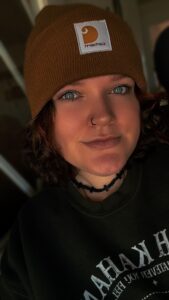
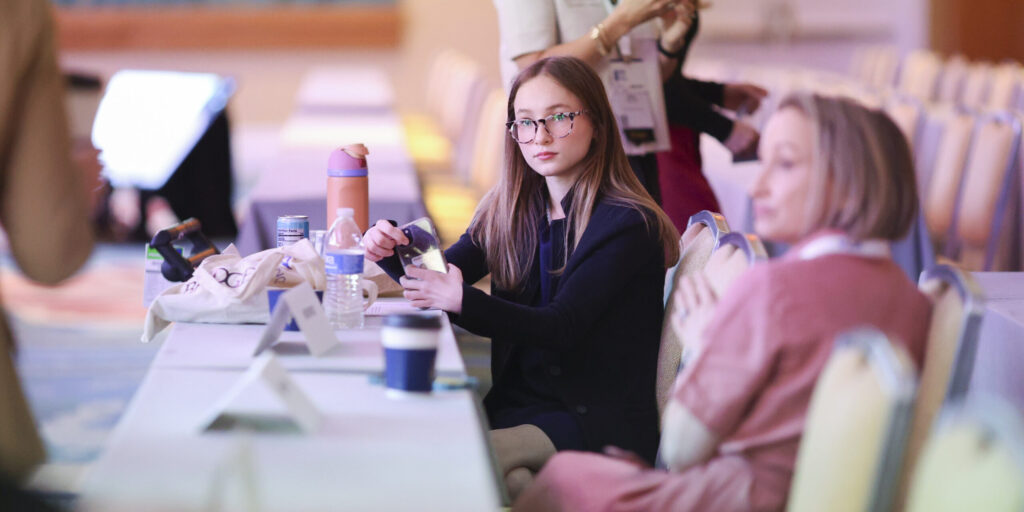
Jenna Ryerson
What do you think of when you hear the word rural? Maybe it’s farming, going to the market, neighbors living miles away, or trees as far as the eye could see. When I hear the word rural, I think of home.
My name is Jenna and I was diagnosed with limb girdle muscular dystrophy 2b (LGMD) when I was eleven years old. My small town at the time had less than 2,000 people. When I first started exhibiting symptoms, my local emergency room referred me to a doctor four hours away for a general diagnosis— that would prove to be wrong. From there, I was sent another three hours away to a different doctor who was able to properly diagnose me.
My family and I made seven-hour-long round trips to my neurologist twice a year. Even as a child I hated it. When you live in rural area, you come to expect to be sent hours away if you’re a medical anomaly, but why?
The challenges of traveling for appointments
As a wheelchair user, traveling further than thirty minutes away often feels like planning a vacation. Can I make the trip with no stops? Is there a place where I will be able to use the restroom that accommodates my needs? Is there parking for my wheelchair trailer? Will the appointment be quick? Oh, don’t forget to pack extras of everything! Grab the wheelchair charger. Don’t forget the travel ramp. Is that a rain cloud or my paranoia?
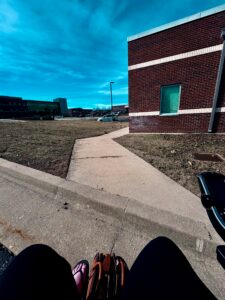
One of the accessibility challenges Jenna has encountered while attending medical appointments in person
We trade our feet for wheels and our strength for anxiety. But somehow, we put on a brave face while the doctors tell us how important these appointments are— even when sometimes we feel as though all we do is talk. Conversations that we could have from the comfort of our home. Vitals tracked that could be taken by a primary care physician and shared with the specialist hundreds of miles away.
The Covid-19 pandemic and quarantine were terrible for a lot of reasons that I don’t need to explain – but one good thing did come from it: Telehealth. When in person appointments resumed all of the obstacles – the 3 AM wake-ups on appointment day, three-and-a-half-hour car rides, cramped muscles and discomfort, hassle of hauling my power wheelchair in a trailer behind our vehicle, navigating parking – felt even more challenging to navigate knowing that I could receive the same care through telehealth.
Advocating for telehealth
I found myself sitting in a waiting room, three and a half hours from home, where I waited an hour before I was even seen. I won’t lie, I am not a patient person when it comes to wasting my time. After the ten-minute mark I was starting to get fidgety. When the thirty-minute mark came around I was ready to leave without being seen. When the one-hour mark hit, I demanded to be seen virtually from then on out. If I am only given the option to make an appointment between 8-11 AM on a Friday, then I expect to been seen at the time of my appointment, especially if I am spending hours in a vehicle to be there. Blood, vitals, scans, strength tests, and many other routine tasks that come with some of my appointments could easily be done in the facility fifteen minutes from me.
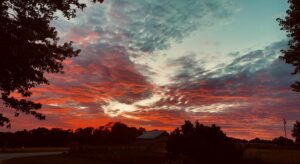
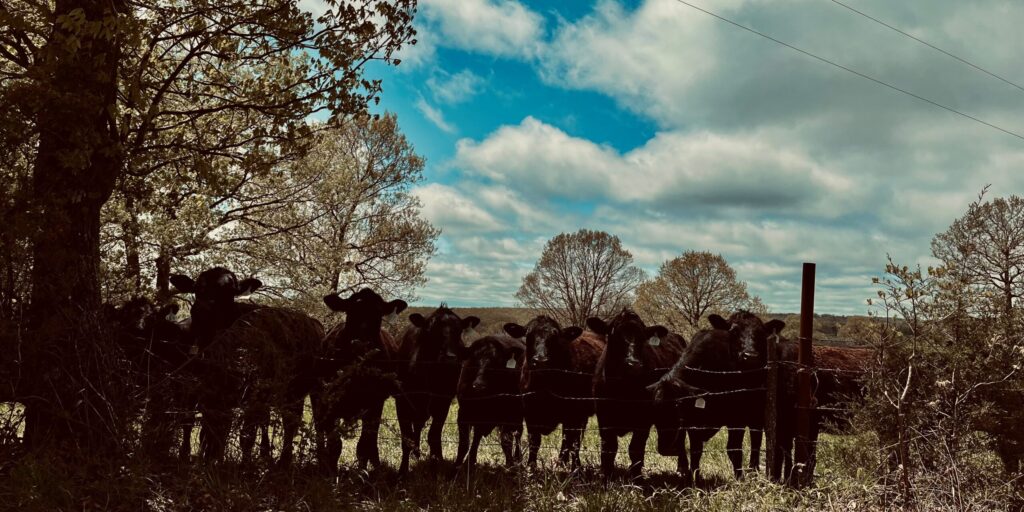
Jenna’s home
My doctors have always stressed how important it is to continue these six-month appointments for a disease with no cure. I understand, truly I do. However, I think that better communication is a big factor in providing better healthcare. I think that if doctors and patients sat down and took time to make an actual, individual plan based on that patient’s specific circumstances and location — rural healthcare could advance. Not only that, but telehealth could increase access to care and quality of care for so many people. Connecting my long-distance team of specialists with the doctors who can handle the basics in my own town creates a unified level of care – and meeting with my specialists via telehealth makes that care more accessible. That connection can also help local doctors learn more about diseases they might know very little about. Why take something so simple and make it rurally complicated?
Next Steps and Useful Resources
- Learn more about Limb-girdle muscular dystrophy (LGMD) here.
- Browse MDA’s Mental Health Hub.
- MDA’s Resource Center provides support, guidance, and resources for patients and families. Contact the MDA Resource Center at 1-833-ASK-MDA1 or ResourceCenter@mdausa.org
- Stay up-to-date on Quest content! Subscribe to Quest Magazine and Newsletter.


Disclaimer: No content on this site should ever be used as a substitute for direct medical advice from your doctor or other qualified clinician.