A Shift in Perspective: Person-First Language and Identity-First Language
By Rebecca Hume | Wednesday, December 17, 2025
When the disability rights movement began in the 1970s, the disability community started forging the path for those living with disabilities to have access to equal rights, inclusion, and the opportunity to live independently. The movement brought forth monumental change and opened the door for conversations that challenged stereotypes and stigmatized language. At that time, advocates pushed for changes in vernacular that they believed would do better to humanize and empower those living with disabilities by putting the person before the disability, a shift in emphasizing individuality over the medical model of disability.
More than fifty years later advocates continue to seek progress for a more accessible and inclusive society – celebrating key milestones and successes while continuing to work to overcome barriers and biases. Now, amongst the many changes over the decades, the conversation around identity and language is also changing.
Changes in perspective and preferences
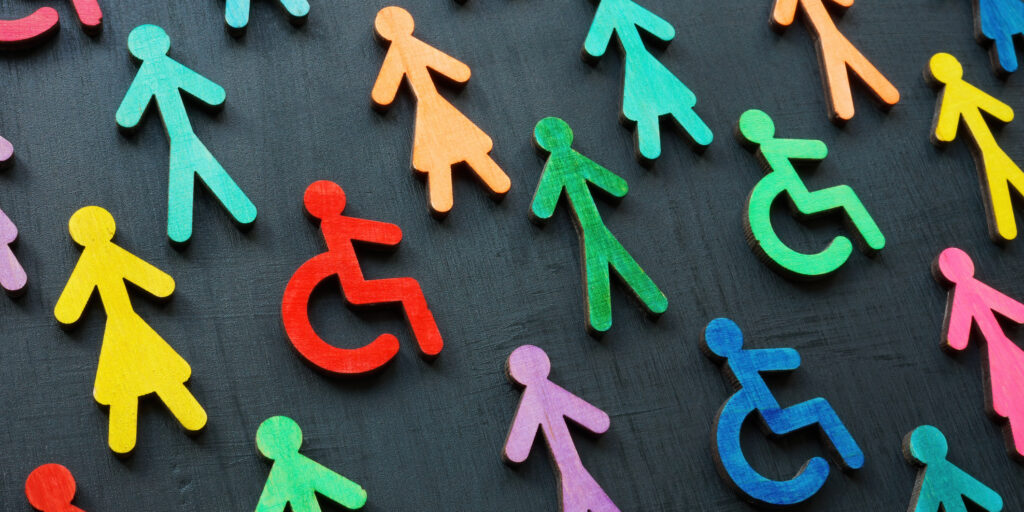
Person-first language, which puts the person before the disability (person with a disability instead of disabled person), aims to promote dignity by focusing on the person first, instead of their disability – but for some, using language that distances oneself from their disability or treats it as an entirely separate attribute does the opposite.
In the last decade, a countermovement has gained traction within the disability community as perspectives and preferences shift towards using identity-first language. The movement has gained traction, especially among younger generations, based upon the ideology that person-first language essentially separates oneself from their disability, implying it is something that needs to be overcome.

MDA Ambassador Payton Rule
“I choose to use identity-first language because implying that disability needs to be separated from one’s identity can inadvertently suggest that disability is inherently a bad thing. That kind of message can contribute to stigma, which can make life harder for disabled people,” says Payton Rule, a 27-year-old MDA Ambassador living with Charcot-Marie-Tooth disease (CMT). “I grew up primarily using person-first language because I had learned from society that disability was something negative. Using person-first language felt like a way to distance myself from my disability as much as possible. However, as I became more involved in the disability community, I came to view my disability as not inherently bad and as a source of pride.”
“Identity-first language reflects the fact that my disability is part of my social identity,” she continues. “My disability has profoundly shaped the way I navigate and experience the world—in beautiful, neutral, and difficult ways. It has contributed greatly to the person I am today. Separating my disability from my sense of self doesn’t feel authentic. My disability is not something I fight or overcome; it’s simply a part of me that influences my perspectives and experiences, much like my other identities (e.g., being a woman). Yet we don’t use person-first language for any other social identity. In fact, it would likely sound odd to say, “I’m a person who is a woman.” For many other social identities, we automatically assume that the identity does not diminish someone’s humanity. We don’t make that same assumption for disability.”
Those who are embracing identity-first language (disabled person instead of person with a disability) intend to express that their disability is a core aspect and integral part of their identity. For many, the election of identity-first language promotes the view that not only is their disability a key component of who they are as a person, but it is also a source of pride and strength.
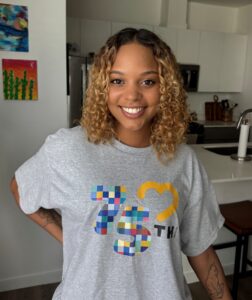
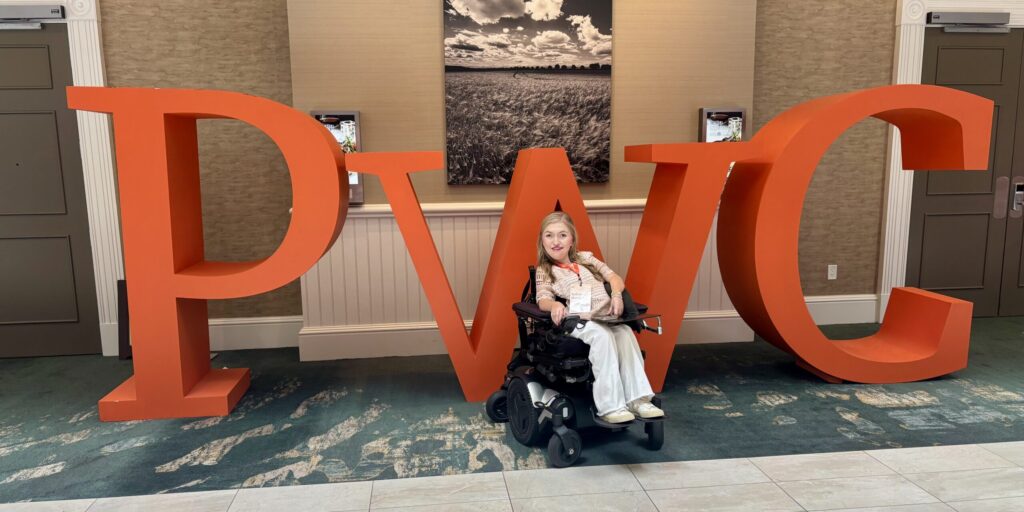
MDA Ambassador Santana Gums
“Identity first language is my preference because when I speak about my disability, I feel that it is part of my identity. My disability is one of the many things that defines me, and I think that’s a beautiful thing,” says Santana Gums, a 25-year-old MDA Ambassador who lives with limb-girdle muscular dystrophy (LGMD) Type 2b. “I view my disability as something that has shaped the way I identify myself in the world. It has shaped my worldview, my personality, and my life goals. Being disabled allows me to be patient, compassionate, and aware to an extent that I never was before my disability became prominent in my life.”
The power of words
The language that we use has the profound ability to shape reactions, inspire action, and impact reality. Recognizing and harnessing the power of how we communicate and the terminology that we choose is one more step towards creating a society in which everyone is valued.
“The language that we use is important because communication is a powerful tool that can be harmful or helpful,” Santana says. “It is important to be mindful of how you communicate to others, and it goes a long way to communicate in a respectful and compassionate manner.”
Payton elaborates how the language that we use shapes how we see the world and how we see each other. “The words we choose can contribute to exclusion and stigma or help people feel seen, valued, and understood. Thoughtful language can also challenge stereotypes or unfair assumptions and lead to greater inclusion in attitudes, physical access, and social policies. In short, the words we use matter because they don’t just describe reality but also help create it,” she says. “I want to live in a world where disability is viewed as a natural part of human diversity—where it isn’t stigmatized, and where our systems and policies are built with disabled people in mind. Using identity-first language is, for me, one small way to push back against stigma and move closer to that world.”
Personal choice
Ultimately, the true power of the words we choose to define ourselves comes from choice. The language that individuals adopt is a deeply personal choice that reflects one’s own views of self, identity, and disability – and there is not a right or wrong preference. For some, person-first language continues to resonate as terminology that emphasizes humanity and empowers the expression of self. For others, identity-first language creates a context which embodies the value and influence of life with a disability on one’s own identity.
“Language is deeply personal and different people connect with different terms for different reasons,” Payton says. “I don’t think there’s one “right” way to identify—what matters most is that each disabled person gets to choose the language that feels authentic to them.”
When it comes to personal preference, asking an individual what language they prefer to use is the best way to create an environment that allows others to feel seen, heard, and valued. Demonstrating inclusivity – both in language and action – contributes to creating equality and respect for all people.
Next Steps and Useful Resources
- Stay up-to-date on Quest content! Subscribe to Quest Magazine and Newsletter.


Disclaimer: No content on this site should ever be used as a substitute for direct medical advice from your doctor or other qualified clinician.