Understanding Thymidine Kinase 2 Deficiency
By Michelle Jackson | Monday, February 23, 2026
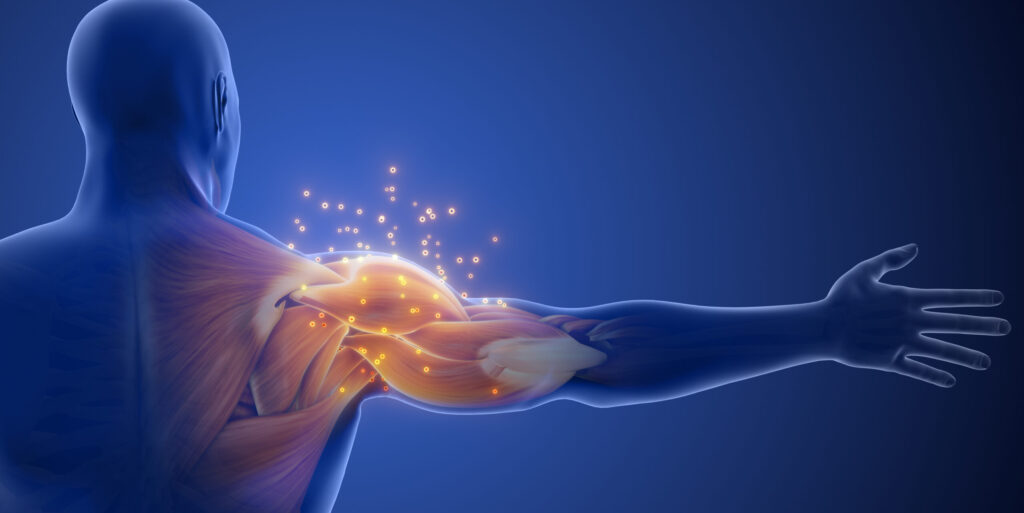
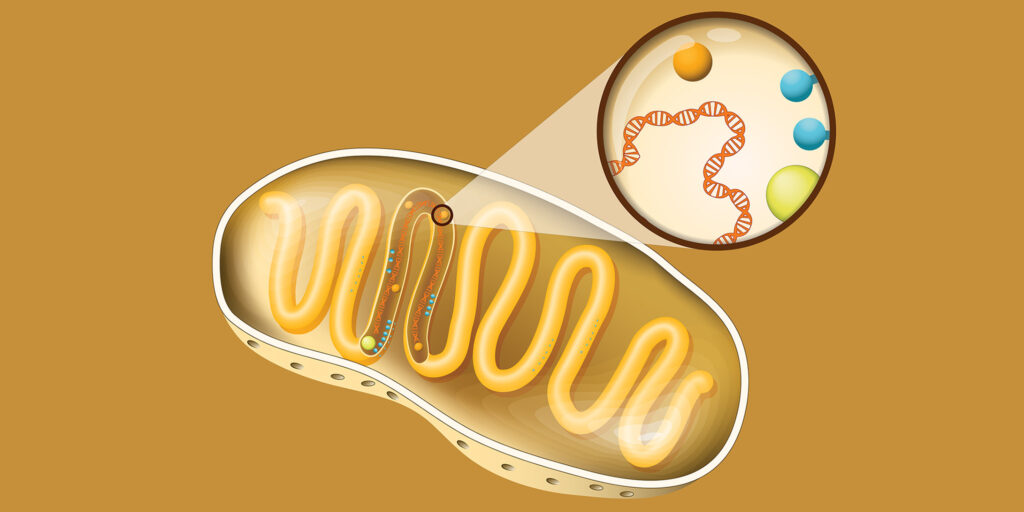
Thymidine kinase 2 deficiency (TK2d) is a life-threatening form of mitochondrial myopathy. These diseases affect mitochondria — the energy factories of our cells — leading to muscular problems.
TK2d is very rare, affecting fewer than 2 per 1 million people worldwide. Yet in a milestone for mitochondrial myopathies, the US Food and Drug Administration (FDA) recently approved a therapy that alters the progression of this disease.
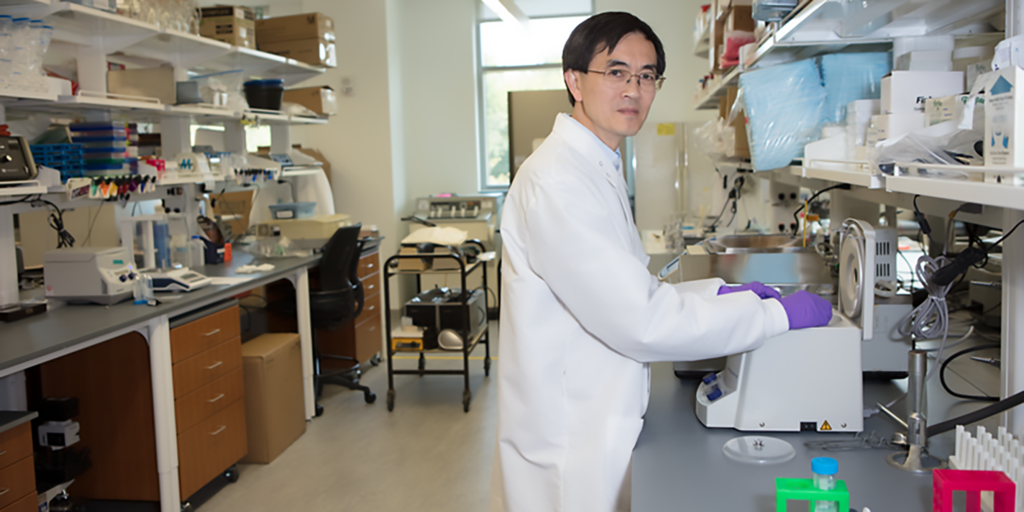
To learn more about TK2d, we talked with Michio Hirano, MD, a neurologist at the MDA Care Center at Columbia University in New York, whose research helped lead to the new therapy.
How do you describe TK2d?
TK2d is a genetic condition that predominantly causes progressive weakness in the arm, leg, oral, and respiratory muscles. Often, individuals with TK2d have difficulty swallowing or breathing and sometimes require respiratory and feeding support. For some individuals, seizures may also be a part of the disease.
People who develop the disease in infancy or very early childhood progress most rapidly. Unfortunately, it can lead to early death when it begins early in life. Those with onset after age 12 have the most slowly progressing form of the disease.
How is TK2d diagnosed?
Many patients with TK2d are not diagnosed immediately because it’s rare and not well-known. Often, more common diseases are considered first, like Duchenne muscular dystrophy (DMD) or spinal muscular atrophy (SMA), which can look very much like TK2d. But now, with genetic testing more widely available, the diagnosis can be made more quickly by screening for genetic causes of weakness in children.
What causes TK2d?
TK2d is an autosomal recessive condition, meaning both parents are usually carriers of a mutation in the TK2 gene, and the child inherits one mutation from each parent.
The TK2 gene is needed to make the building blocks for mitochondrial DNA, which is required to power cells. Individuals with TK2d lose many mitochondrial DNA molecules, and the quality of that mitochondrial DNA degrades. That’s why the disease progresses over time.
How are TK2d symptoms typically managed?
Supportive therapy is very important. TK2d patients can benefit from physical therapy, respiratory therapy (including noninvasive ventilation), and sometimes feeding tubes to support nutrition.
Since children with this disease may experience seizures, doctors should screen for that. TK2d can also affect the liver, so it’s important to screen for liver abnormalities. Lastly, some patients develop fractures easily, so bone health should be assessed with bone density scans.
Until recently, no therapies had been approved to slow or alter the progression of the disease itself. But we’re excited that a new therapy called doxecitine and doxribtimine (KYGEVVI®) is now available.
How does the new therapy work?
KYGEVVI® helps the body make the building blocks needed for healthy mitochondrial DNA, restoring the mitochondrial DNA to more normal levels. It’s a therapy that targets the root cause of the disease.
We first tested the treatment in mice and saw that it extended their lifespan two- to threefold. Later, we began treating patients through special approval from the FDA. Our first patient was just 19 months old and very weak when he started. Over time, he improved and is now 14 years old and going to school. (Read more about this case in How Expanded Access and Compassionate Use Broaden Access to Investigational Therapies.)
Since then, doctors around the world have treated patients with similar results through a rigorous industry-sponsored clinical trial. After more than six years of this pivotal clinical trial, the therapy received FDA approval in November 2025 and is now being produced and distributed by UCB Therapeutics.
What will this therapy mean for those living with TK2d?
KYGEVVI® has been approved for people who have confirmed TK2 gene mutations and whose symptoms began before age 12. The most important thing is that it clearly helps people live longer. Babies with early-onset TK2d often don’t live past their first year. This therapy completely changes that.
Many of the patients treated with this therapy have also regained lost skills, such as sitting, standing, or walking. In more than 70% of patients, there have been improvements in strength or movement.
While many patients show progress, not everyone who is on a ventilator or uses a feeding tube can come off them completely. Some can reduce their dependence, but for most, these supports remain an important part of care.
It’s not a cure, but it’s a major step forward that can help people with TK2d live longer and stronger lives.
Michelle Jackson is a writer for Quest Media.
MDA Backs Mitochondrial Myopathy Research
MDA has long been a driving force behind mitochondrial myopathy research. Early MDA research grant funding supported Michio Hirano, MD, in developing a TK2-deficient mouse model, which proved that targeted treatments could restore mitochondrial function.
In 2024, MDA awarded more than $480,000 in new research grants for mitochondrial myopathy, including one funded in partnership with AFM-Téléthon, the French muscular dystrophy association. These grants help advance promising work on mitochondrial diseases at leading institutions worldwide.
At the 2025 MDA Clinical & Scientific Conference, UCB Therapeutics presented compelling data demonstrating the significant benefits of its investigational therapy for people living with TK2d.
These efforts directly contributed to the FDA approval of KYGEVVI®, the first TK2d treatment.
Next Steps and Useful Resources
- Learn more about diagnosis and treatment of mitochondrial myopathies.
- Read more of the Quest Spotlight series on rare diseases.
- Stay up to date on Quest content! Subscribe to Quest Magazine and Newsletter.


Disclaimer: No content on this site should ever be used as a substitute for direct medical advice from your doctor or other qualified clinician.