Accessible Dental Care: Why You Should Go to the Dentist and How to Prepare for a Visit
By Matt Schur | Tuesday, May 26, 2026

Michael Chan, DDS
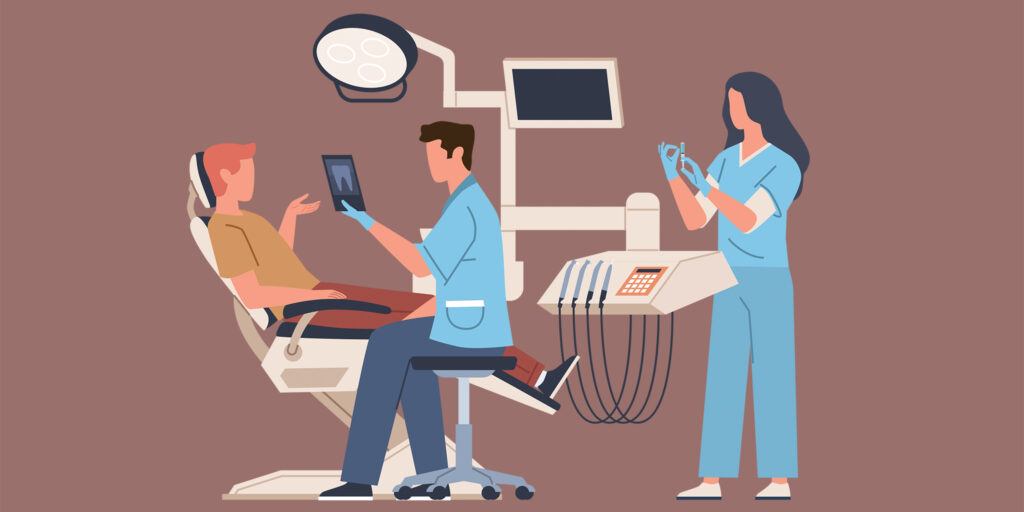
A trip to the dentist can feel overwhelming for many people living with neuromuscular diseases. Muscle weakness, fatigue, swallowing challenges, contractures, and mobility needs can all affect daily oral hygiene and, ultimately, dental visits. But oral health is about much more than having a bright smile — it plays an essential role in overall health and wellness.
“You want to keep dental work simple,” says Michael Chan, DDS, who treats medically complex patients as Associate Professor and Program Director for Advanced Education General Dentistry and General Practice Residency at UTHealth Houston School of Dentistry. “Early preventive work means you’re less likely to need more extensive or invasive work later, making it a lot easier for patients.”
There are often challenges to finding and visiting an accessible dentist, but preparation goes a long way toward ensuring a smooth visit.
Why oral health matters
Kari Brouwer, OTR/L
As Kari Brouwer, OTR/L, an occupational therapist at Northwestern Memorial Hospital, points out, people with neuromuscular diseases may have hand or mouth weakness, which can make chewing and swallowing difficult and lead to food buildup. “Plus, it can be tough for patients to brush their teeth themselves,” Kari says. When caregivers assist, they might not know how much pressure to use.
Food residue, combined with reduced brushing ability, increases the risk of cavities, tooth decay, and gum disease — all of which can lead to pain, difficulty eating, and larger health concerns. Additionally, some people with neuromuscular diseases experience dry mouth due to medications, while others have difficulty managing saliva, both of which can impact oral health.
When care is delayed, small issues can escalate into infections that are harder to treat, which can be problematic for patients who may not tolerate sedation or lengthy procedures. Infections can spread and affect respiratory health — an especially important consideration for people with neuromuscular conditions.
Barriers to visiting the dentist
For people with neuromuscular diseases, barriers to dental care generally fall into two categories: physical and logistical.
Physical challenges may include:
- Inability to lie flat in a dental chair
- Limited head or trunk control
- Contractures that affect positioning
- Difficulty holding the mouth open
- Sensory sensitivities to lights or sounds
Logistical barriers can include:
- Limited provider training in treating medically complex patients
- Insurance coverage challenges, especially during transitions from pediatric to adult care
- Long wait times for specialized providers
- Transportation difficulties
- Lack of accessible equipment
And because patients with neuromuscular diseases often require longer appointments, some busy practices may not have the time or flexibility to provide proper care.
Tips for accommodations
Many dental offices can provide accommodations when they understand a patient’s needs. Before the first appointment, ask if the dental practice offers:
- Wheelchair-accessible treatment rooms
- Adjustable-height dental chairs for easier transfers
- Mechanical lifts to assist with transfers
- Wheelchair-lock systems so the patient can stay in their wheelchair during treatment
During the visit, bite blocks can help people who have difficulty holding their mouth open comfortably, and enhanced suction equipment may be available for those with swallowing challenges.
Families can also prepare by bringing positioning supports from home, such as wedge pillows or neck cushions.
How to find a dentist
One of the best ways to find a dentist is through a referral, whether from friends and family, neurologists and primary care providers, or the MDA community. (For more tips, read How to Find an Accessible Dentist.)
Kari recommends calling a prospective dental office to ask about exam room accessibility, bathroom accessibility, transfer procedures, appointment length, cancellation policies, and their experience treating people with disabilities. You may also schedule a consultation visit before beginning treatment to help determine whether the environment feels welcoming and collaborative.
“I would call the office the day before your visit to make sure they are prepared to accommodate your needs,” Kari says.
Finding the right dentist may take time. That’s why it’s better to have a familiar place for routine work, rather than trying to scramble and find a dentist in a time of need. Ultimately, seeing the same provider regularly allows the dental team to understand a patient’s evolving needs better.
“Familiarity is the key factor,” Dr. Chan says. “We want to create that consistent place for patients to go, so they and their families feel comfortable each time they visit. Knowing a patient’s history, knowing how they like to be treated, it makes a big difference in ensuring the process runs smoother.”
Matt Schur is a Chicago-based writer and editor who frequently covers health topics.
Everyday Mouth Care
The American Dental Association recommends that everyone brush twice a day with fluoride toothpaste and floss daily.
Adaptive tools and techniques can make this more manageable for people with muscle weakness, including:
- Electric toothbrushes require less hand strength and manual motion than traditional brushes.
- Built-up handles or universal cuffs make it easier to grip toothbrushes and other dental devices.
- Water flossers are typically easier to manage than traditional string floss and may improve consistency.
- Resting an elbow on a countertop can reduce fatigue while brushing and flossing.
Caregivers assisting with oral care should use gentle pressure and establish a consistent routine. Occupational therapists can also provide individualized strategies to support independence.
Next Steps and Useful Resources
- MDA’s printable Dental Health guide is designed to be shared with caregivers and medical and dental providers.
- Learn about your rights to accessible care and more in How to Find an Accessible Dentist.
- Find tips and tools for daily cleansing in Tips for Better Hygiene With a Disability — And Why It Matters.
- Stay up to date on Quest content! Subscribe to Quest Magazine and Newsletter.


Disclaimer: No content on this site should ever be used as a substitute for direct medical advice from your doctor or other qualified clinician.