Beyond the Clinic: How an MDA Grant Is Helping People with ALS Access Assistive Technology Earlier
By Mindy Henderson | Friday, November 20, 2026
Temple University’s innovative approach brings hands-on technology education and personalized support into the clinic and patients’ homes.
For someone living with amyotrophic lateral sclerosis (ALS), access to assistive technology can mean the difference between relying on someone else to turn on the lights and continuing to perform such activities in their home independently. Assistive technology can help someone continue communicating with loved ones, using a computer, or managing everyday activities as their abilities change.
But knowing what technology is available, how to obtain it, and how to use it isn’t always easy. Too often, people living with ALS discover these tools only after an urgent need arises.
With support from a Muscular Dystrophy Association (MDA) Care Advancement Grant, the team at Temple University is working to change that.
The initiative aims to make assistive technology education a routine part of ALS care, giving patients and families opportunities to explore equipment before they need it and providing personalized support to help them incorporate technology into their everyday lives.
Moving from reactive to proactive care
“ALS changes quickly,” says Dr. Terry Heiman-Patterson, MD, Neurologist and MDA Care Center Director at the MDA/ALS Center of Hope at Temple University Hospital. “If we wait until someone can no longer walk safely, speak clearly, or use their hands, the decision about equipment gets made in a crisis.”
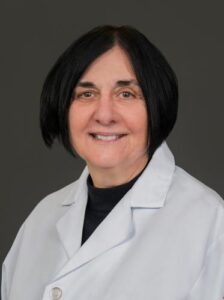
Dr. Terry Heiman-Patterson, MD, Neurologist and MDA Care Center Director at the MDA/ALS Center of Hope at Temple University Hospital
The length of time it can take for someone to receive assistive technology can pose another challenge. Obtaining assistive technology can involve evaluations, insurance approvals, vendor coordination, and delivery delays. By the time equipment arrives, a person’s needs may have changed again.
Some technologies also require advanced planning. Voice banking, for example, allows individuals to record their voices for use with communication devices later. Learning to operate eye-gaze technology or alternative computer controls can also be easier before someone depends on them.
“When people learn about these tools early, they can make choices calmly and on their own terms,” Dr. Heiman-Patterson explains.
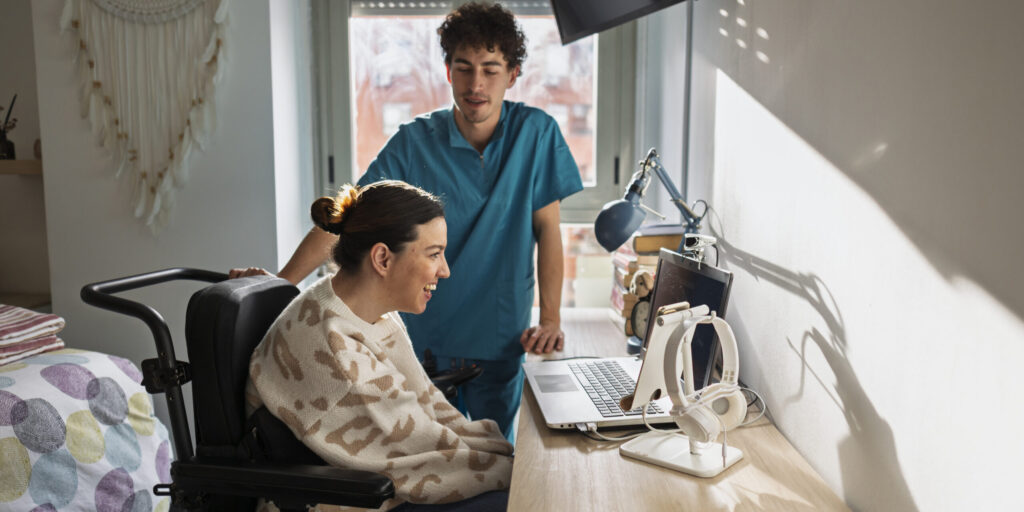
The Temple program will integrate assistive technology education into multidisciplinary clinic visits, allowing patients and caregivers to see, explore, and try equipment firsthand. Individualized home visits will provide additional assistance with selecting, setting up, and using technology.
For Marydeth Donovan, Senior Director, Care Center Network at MDA, this practical approach is what makes the initiative especially promising.
“Temple’s approach goes beyond simply recommending equipment,” Marydeth says. “By incorporating education and hands-on demonstrations into multidisciplinary clinic visits and extending individualized support into patients’ homes, the team aims to make assistive technology more accessible and useful in everyday life.”
Making independence possible at home
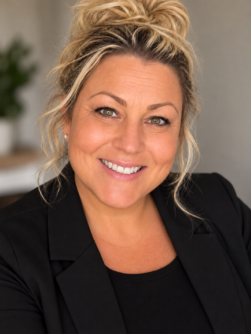
Marydeth Donovan, Senior Director, Care Center Network at MDA
For example, imagine a man living with ALS whose arms and legs are becoming weaker. His wife works outside the home, and remaining safely at home independently is increasingly challenging.
Before his needs become urgent, an assistive technology professional could introduce him to smart speakers, smart plugs, and a video doorbell during a clinic visit, giving him an opportunity to try the devices and learn how they work.
Later, a home visit might uncover challenges that would not be apparent in the clinic: unreliable Wi-Fi upstairs, a tablet positioned beyond his reach, or a spouse uncertain about setting up the equipment.
With personalized support, the family could address those barriers and set up voice controls for lights, the thermostat, television, and door, as well as ways to call for assistance. The technology could support his independence at home and give his wife greater peace of mind while she works.
“A device that works in clinic can end up in a closet if it doesn’t fit the person’s home and routine,” Dr. Heiman-Patterson explains. “Trying equipment first builds confidence, and seeing the home lets us match the device to how the person really lives.”
This example illustrates why the program extends beyond introducing patients to technology. The goal is to help ensure that equipment works in the environments where people actually live and can empower them to remain as independent as possible for as long as possible.
Building resources for the broader community
The Temple team is also developing a comprehensive assistive technology guide and interactive online resource.
The materials will help patients, families, and healthcare professionals explore technologies ranging from communication devices and alternative computer controls to mobility equipment, daily living aids, and home automation systems.
Once finalized, these resources are intended to be shared across MDA’s Care Center Network, extending the potential impact of Temple’s initiative beyond a single institution and helping other multidisciplinary care teams incorporate assistive technology education into their clinical practice.
“One of the greatest strengths of MDA’s Care Center Network is the opportunity to connect Care Centers, share expertise, and build upon successful approaches to care,” Marydeth says.
The team also plans to evaluate the program’s impact, including patient confidence, equipment adoption and continued use, effects on independence, and caregiver feedback. These findings could help inform future approaches to incorporating assistive technology into routine neuromuscular care.
Advancing care that supports the whole person
For MDA, supporting initiatives like Temple’s reflects a broader commitment to care that addresses more than the medical aspects of neuromuscular disease.

Nora Capocci, Executive Vice President of Healthcare Services at MDA
“Innovation only makes a difference when people can access it, understand how to use it, and integrate it into their everyday lives,” says Nora Capocci, Executive Vice President of Healthcare Services at MDA.
Through its Care Advancement Grants, MDA supports Care Centers in developing innovative approaches that address gaps in care, strengthen multidisciplinary services, and improve the daily lives of people living with neuromuscular diseases.
Nora also emphasizes the importance of elevating the experiences of people living with neuromuscular diseases so innovation reflects their priorities, including independence, participation, and standard of living.
For Dr. Heiman-Patterson, the ultimate measure of success isn’t simply how many people receive information or try new equipment. It’s whether technology truly makes a lasting difference in their lives. “Most of all, it would mean families telling us this technology helped them keep doing what matters to them, for longer,” she says.
By introducing assistive technology earlier, making it easier to explore, and helping people use it successfully at home, Temple’s initiative offers a promising model for care that puts independence, choice, and everyday life at the center.
Next Steps and Useful Resources
- Stay up-to-date on Quest content! Subscribe to Quest Magazine and Newsletter.


Disclaimer: No content on this site should ever be used as a substitute for direct medical advice from your doctor or other qualified clinician.